
Introduction:
What Is an AI Automation System?
AI automation structures are smart technologies that use artificial intelligence (AI) to automate obligations, methods, and decisions with minimal human effort. Unlike traditional automation, AI-powered automation can research, adapt, and improve through the years.
By 2026, agencies inside the US and globally will undertake an increasing number of AI automation structures to save time, reduce mistakes, and scale faster. From marketing and customer support to production and finance, AI automation is turning into a game-changer.
If you want your commercial enterprise to stay competitive, knowledge of AI automation systems is no longer optional; it’s essential.
How an AI Automation System Works
An AI automation gadget combines numerous technologies to carry out responsibilities intelligently:
1. Machine Learning (ML)
Machine learning allows structures to analyze data from records and enhance overall performance without being explicitly programmed.
2. Natural Language Processing (NLP)
NLP helps AI apprehend and reply to human language, which is used in chatbots, email automation, and voice assistants.
3. Computer imaginative and prescient
Commonly used to investigate images and motion pictures in protection structures and quality inspections.
4. Robotic Process Automation (RPA)
RPA automates repetitive digital tasks, including data entry, invoice processing, and reporting.
Together, those components create an effective AI automation gadget that works more quickly and smartly than manual approaches.
Key Benefits of AI Automation Systems
Increased Productivity
AI automation handles repetitive responsibilities 24/7, allowing groups to be aware of excessive fee work.
Value discount
By decreasing manual labor and mistakes, groups save on working costs.
High accuracy
AI systems reduce human mistakes, especially in fact-intensive strategies.
Scalability
AI automation grows alongside your business without increasing your workload.
Better consumer revel in
AI chatbots and automatic assistants provide rapid responses and personalised interactions.
AI Automation System Use Cases (Real-World Examples)
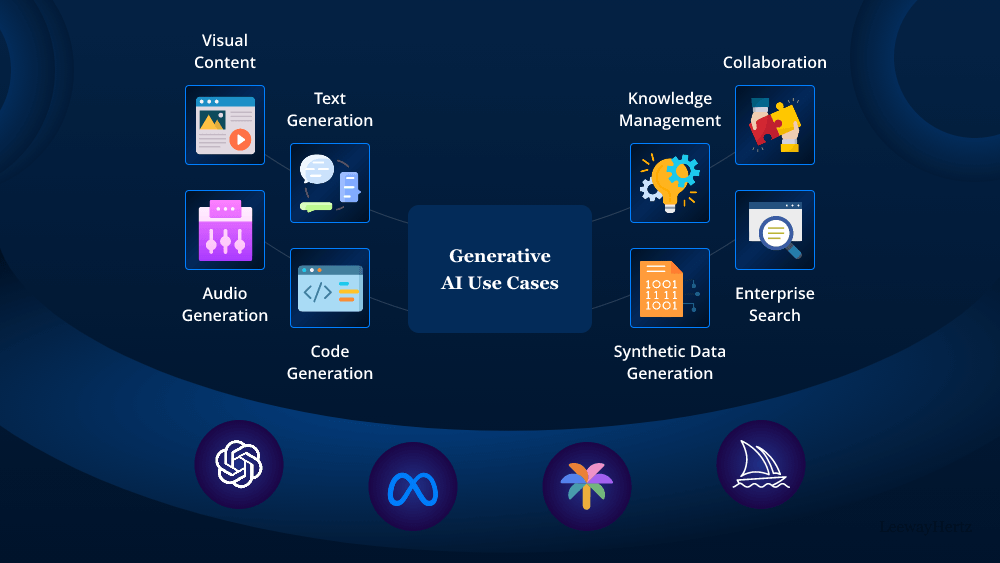
1. Marketing Automation
AI automates email campaigns, ad-focused on content planning, and lead scoring.
Example: AI gear examines a person’s conduct to ship the right message at the proper time.
https://www.Salesforce.Com/marketing/automation
2. Customer help
AI chatbots manage FAQs, tickets, and live chats immediately.
3. Finance and accounting
Automates bill processing, fraud detection, and cost control.
4. Production
AI automation predicts device failures and optimizes delivery chains.
5. Health care
Used for appointment planning, clinical statistics analysis, and diagnostics
Popular AI Automation Tools in 2026
Here are a number of the main AI automation systems:
- Zapier AI: workflow automation with AI logic
- UiPath: Enterprise-Grade RPA with AI
- HubSpot AI: Marketing and CRM Automation
- IBM Watson Automation: Intelligent Business Automation
- Microsoft Power Automate: AI-powered workflow automation
https://www.uipath.com/rpa/ai-automation
AI Automation System vs Traditional Automation
| Feature | Traditional Automation |
| Learning Ability | No |
| Decision Making | Rule-based |
| Adaptability | Low |
| Scalability | Limited |
| Cost Efficiency | Medium |
Why People Search “AI Automation System”
People seeking out AI automation systems normally need:
- Know what it is
- Find enterprise use
- Find gear and answers
- Decide whether or not you need to adopt it or not
This article serves an informational business purpose, making it ideal for search engine optimization and conversions.
How to Implement an AI Automation System (Step-by-Step)
Step 1: Identify repetitive obligations
Focus on responsibilities that free up time and resources.
Step 2: Choose the right device
Choose an AI automation software program based on your industry and budget.
Step 3: Integrate with the present system
Ensure seamless integration with CRM, ERP, or advertising tools.
Step 4: Train the AI version
Feed nice statistics for better accuracy and overall performance.
Step 5: Monitor and Optimize
Continuously analyze effects and optimize the workflow.
Challenges of AI Automation Systems
Although AI automation is robust, it has demanding situations:
- Initial setup price
- Privacy worries
- Need for skilled specialists
- Ethical and compliance issues
But the long-term benefits always outweigh the challenges.
Future of AI Automation Systems
The future of AI automation structures
By 2030, AI automation structures may be:
- Make independent decisions
- Completely update manual workflows
- Enable hyper-customization
- Integrate with IoT and clever gadgets
Companies that adopt early can have a big competitive benefit.
Final Thoughts: Is an AI Automation System Worth It?
AI automation systems aren’t just a trend they’re the future of labor. Whether you are a startup or an agency, AI automation enables you to work smarter, quicker, and more successfully.
If you want to develop in 2026 and beyond, now’s the time to spend money on AI automation.
Call to motion:
Are you geared up to convert your business with AI automation?
Discover contemporary AI solutions nowadays and free up unstoppable growth with Smatechs.
Visit: https://smatechs.com/