
The Future of AR and VR is no longer a distant dream—it’s happening now. Augmented Reality (AR) and Virtual Reality (VR), once limited to gaming and entertainment, are evolving into powerful tools that will soon shape our everyday experiences. From shopping and education to healthcare and smart homes, these immersive technologies will become an essential part of daily living by 2030.
As AR overlays digital information onto the real world and VR creates fully immersive digital environments, both technologies are pushing boundaries and unlocking new possibilities. Here’s how AR and VR will transform life in practical, meaningful ways.
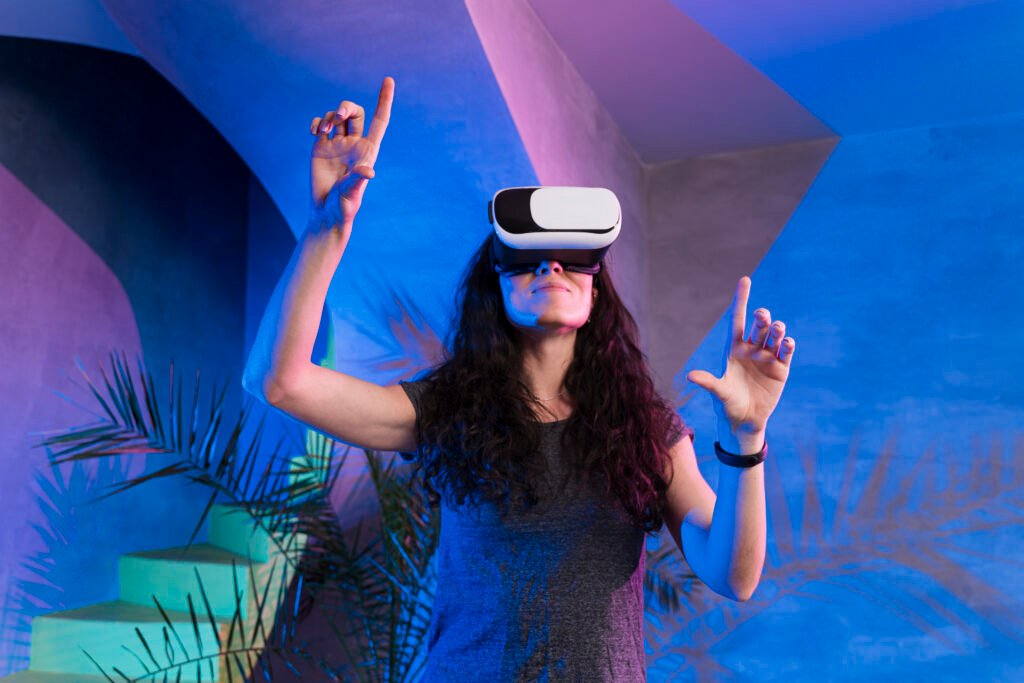
1. AR in Everyday Navigation and Travel
Navigation will be one of the biggest game-changers in the Future of AR and VR. Instead of checking your phone map, AR glasses will project directions directly into your field of view.
What to expect by 2030:
- AR-powered smart glasses guiding your walking or driving routes
- Real-time traffic alerts appearing in front of you
- Instant translation of road signs in foreign countries
- Indoor AR wayfinding in malls, airports, and hospitals
Travel becomes easier, safer, and more interactive with seamless visual guidance.
2. Virtual Shopping Will Feel Like Real Shopping
Retail will be transformed by immersive experiences. AR and VR will allow customers to try products before buying—right from home.
Practical use cases:
- AR try-ons: Try clothes, shoes, or accessories using your smartphone or AR mirror
- VR stores: Walk through a virtual mall, browse items, and check out
- Furniture placement via AR: See how a sofa, table, or décor item looks in your home
- Real-time price comparisons displayed through smart glasses
The Future of AR and VR will make online shopping more engaging, reducing returns and increasing customer confidence.
3. AR-Powered Smart Homes
Smart homes will become more intelligent when integrated with AR. Imagine pointing your phone or glasses at appliances to control them instantly.
What AR will bring to smart homes:
- Scan your room to see energy usage in real time
- Visualize hidden wiring and plumbing for repairs
- AR tutorials for fixing home appliances
- VR-based virtual walkthroughs of home designs before construction
Maintenance, control, and interior design will become easier than ever.
4. Healthcare Will Become More Accurate & Immersive
The Future of AR and VR in healthcare is massive. Hospitals and clinics are already using these technologies for training and treatment—but daily healthcare will also benefit.
By 2030, expect:
- AR-assisted surgeries with real-time 3D overlays
- VR physical therapy programs personalized for patients
- AR health monitoring (visualizing heart rate, BP, hydration levels)
- VR mental health therapy for anxiety, PTSD, and stress
Patients will receive faster, safer, and more accurate care.
5. Education Will Become Interactive & Fun
AR and VR will completely change the learning experience for students. Instead of reading from textbooks, students will interact with 3D models and virtual environments.
Practical examples:
- VR field trips to historical places, space, or underwater worlds
- AR science experiments performed without lab equipment
- VR-based skill training for engineering, medicine, and aviation
- AR-supported classroom lessons with 3D holograms
Learning becomes immersive, safe, and more understanding-driven.
6. VR in Remote Work & Virtual Offices
The Future of AR and VR will redefine how people work. Today’s video calls will evolve into immersive virtual offices.
What this means for daily life:
- Virtual meeting rooms that feel real
- VR workstations replicating multiple screens
- Holographic collaboration for design, architecture, and engineering
- Team-building in virtual environments
Remote work becomes more engaging and productive.
7. AR Fitness and VR Workout Worlds
Fitness will shift from boring routines to immersive experiences.
Practical examples:
- VR cycling through mountains, beaches, or fantasy worlds
- AR personal trainers guiding workouts in real-time
- VR meditation experiences with calming environments
- Gamified workouts that make exercise fun
Your home becomes your personal gym with unlimited options.
8. Entertainment Will Become More Immersive
Of all sectors, entertainment will undergo the biggest transformation.
What the future holds:
- Movies where you can walk into the scene
- AR concerts at home with 3D holograms of performers
- VR theme parks offering thrilling rides
- Interactive storytelling with personalized endings
Entertainment becomes deeply immersive and hyper-personalized.
9. Socializing in Virtual Spaces
In the Future of AR and VR, people will meet, hang out, and celebrate in virtual environments.
Examples:
- Virtual parties with friends from around the world
- AR avatars interacting in physical spaces
- VR meetups, clubs, and events
- Family gatherings in virtual reality for long-distance relatives
Digital social spaces will bring people closer together.
10. AR in Daily Household Tasks
Daily chores will get easier with AR assistance.
Use cases:
- AR cooking guides showing step-by-step instructions
- Smart labels on food showing expiry dates
- AR measuring tools for home projects
- VR training modules for learning new skills
Everything from cooking to fixing things will become more efficient.
Final Thoughts: The Future of AR and VR is Everyday Life
The Future of AR and VR is not just about entertainment or gaming—it’s about transforming how we live, work, shop, learn, and interact with the world. These technologies will become an invisible layer woven into daily life, making tasks simpler, experiences richer, and communication more meaningful.