
Smart Home Technology is advancing faster than ever. What started with simple app-controlled lights and basic voice assistants has now grown into an intelligent, interconnected system that can automate daily routines, improve safety, and reduce energy consumption. As we move toward 2030, this technology will not just be a luxury—it will become a fundamental part of how homes function around the world.
From hyper-personalized automation to AI-powered smart homes capable of learning your habits, the next few years will transform the way we live. Here are the biggest Smart Home Technology trends to watch as we approach 2030.
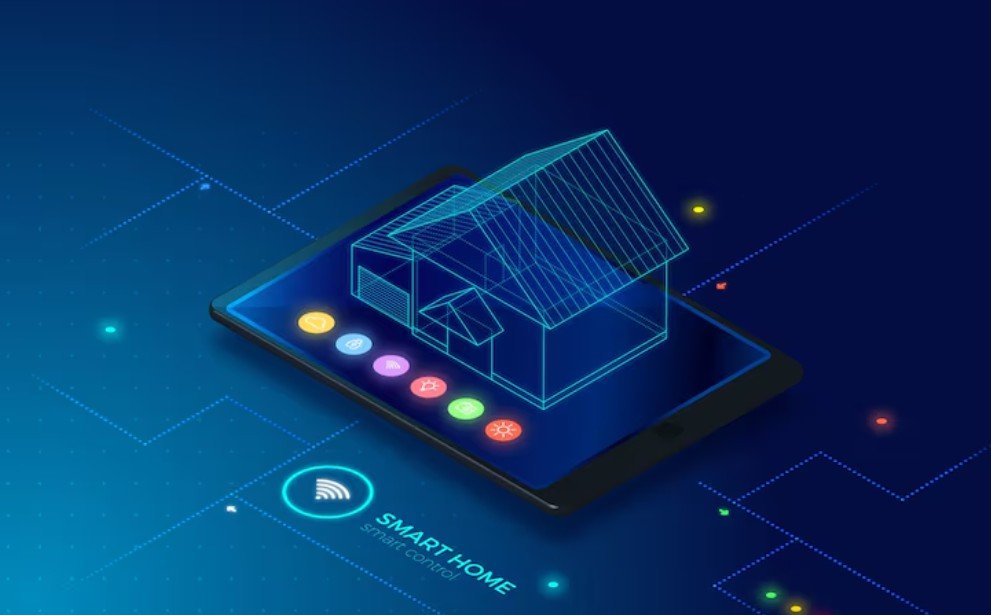
1. AI Will Become the Core of Every Smart Home
The biggest shift by 2030 will be the deeper integration of artificial intelligence. Today, voice assistants like Alexa, Siri, and Google Assistant can follow commands. But by 2030, they will evolve into true AI home managers capable of:
- Predicting your needs
- Learning your routines
- Automating tasks without being asked
- Interacting with appliances and devices autonomously
Imagine waking up to the perfect room temperature, curtains that open automatically based on sunlight, and a kitchen that prepares your morning routine—all without you saying a word.
AI-driven Smart Home Technology will create experiences that feel effortless, personalized, and intuitive.
2. Smart Homes Will Run on Connected Ecosystems (Not Isolated Devices)
Today, many smart devices work independently. You might have a smart doorbell, smart bulbs, or a smart thermostat—but they don’t always communicate smoothly.
By 2030, the evolution of standards like Matter will ensure all devices—from any brand—connect and work together in a seamless ecosystem.
This means:
- One app to manage your entire home
- Universal compatibility
- Fewer technical issues
- Faster smart home installations
This unified ecosystem will push Smart Home Technology into the mainstream because users will no longer struggle with complexity or compatibility.
3. Smart Home Security Will Become Predictive
Home security systems are shifting from passive monitoring to active, predictive systems powered by AI and computer vision.
By 2030, Smart Home Technology will offer:
- Threat detection before it happens
- Smart cameras that can distinguish between visitors, pets, and strangers
- AI-enabled motion sensors
- Autonomous drones that patrol the property
- Emergency response systems that alert authorities instantly
Security won’t just be about recording events—it will be about preventing them.
4. Energy-Efficient Homes Will Become Standard
With rising awareness of climate change and increasing electricity costs, smart homes will rely more heavily on energy-saving technologies.
By 2030, expect:
- Smart grids connected to your home
- Solar panel integration with AI optimizers
- Smart meters that adjust energy use in real time
- Appliances that run only during off-peak hours
- Advanced home insulation sensors
Smart Home Technology will help homeowners cut 30–50% of their annual energy usage while reducing environmental impact.
5. Health & Wellness Tech Will Move Deeper Into the Home
Your home will become your personal health companion. Smart Home Technology will evolve to monitor and improve physical and mental well-being.
Some emerging trends include:
- Air quality monitoring with auto-purification
- Smart lighting that supports your circadian rhythm
- AI-powered sleep monitoring
- Smart kitchens that track nutrition and make suggestions
- In-home fitness systems with real-time health feedback
By 2030, your home will not only be comfortable—it will actively help you stay healthier.
6. Robotics Will Become a Part of Daily Life
Robots are becoming more advanced, and by 2030, they will play a major role in automating repetitive tasks at home.
Expect robots that can:
- Clean
- Cook
- Assist elderly family members
- Manage inventory (like groceries)
- Help with home maintenance
Robotic process automation will boost convenience and support aging populations who prefer independent living.
7. Hyper-Personalized Home Automation
Automation in 2030 will not be one-size-fits-all. Instead, Smart Home Technology will provide experiences tailored to individual people in a household.
Your home will identify you by:
- Voice
- Face recognition
- Motion patterns
- Smartphone proximity
Once identified, it can automatically adjust:
- Lighting
- Temperature
- Music
- Room settings
- Preferred appliance modes
Each person gets a personalized environment the moment they enter.
8. Smart Kitchens & Smart Bathrooms Will Transform Daily Routines
Two areas of the home likely to see the biggest transformation are the kitchen and bathroom.
Smart Kitchens
Future kitchens will feature:
- AI-based meal planning
- Smart refrigerators that track inventory
- Automatic grocery ordering
- Smart stovetops that adjust heat intelligently
- Health-based cooking suggestions
Smart Bathrooms
Expect:
- Smart mirrors with skin analysis
- Water-saving smart showers
- AI-powered leak detection
- Mood-enhancing lighting and scents
By 2030, morning and evening routines will feel more luxurious, efficient, and personalized.
9. Voice Control Will Evolve Beyond Commands
Voice assistants will become conversational and context-aware.
Instead of saying,
“Turn off the lights.”
You will say,
“I’m going to sleep,”
and the home will know:
- Turn off all lights
- Lower the temperature
- Lock the doors
- Activate night mode
- Arm the security system
Smart Home Technology will move from command-based to intention-based automation.
10. Sustainable & Eco-Friendly Smart Materials
Homes will include smart materials that adapt to weather, temperature, and lighting conditions.
Examples include:
- Smart windows that tint automatically
- Heat-reflective paints
- Self-repairing surfaces
- Smart insulation panels
These materials work with your Smart Home Technology ecosystem to keep the house efficient and long-lasting.
Final Thoughts: The Future of Smart Home Technology by 2030
By 2030, Smart Home Technology will be smarter, more intuitive, and central to everyday living. Homes will think, learn, predict, and adapt in ways that make life more convenient, efficient, and secure.
Whether you’re a homeowner, tech enthusiast, or business owner, now is the perfect time to start exploring these innovations—because the future of smart living is already here.
Pingback: Future of AR and VR in Daily Life: Practical Use Cases for 2025
Absoulty, I can explore and share insights on smart home technology trends in 2025